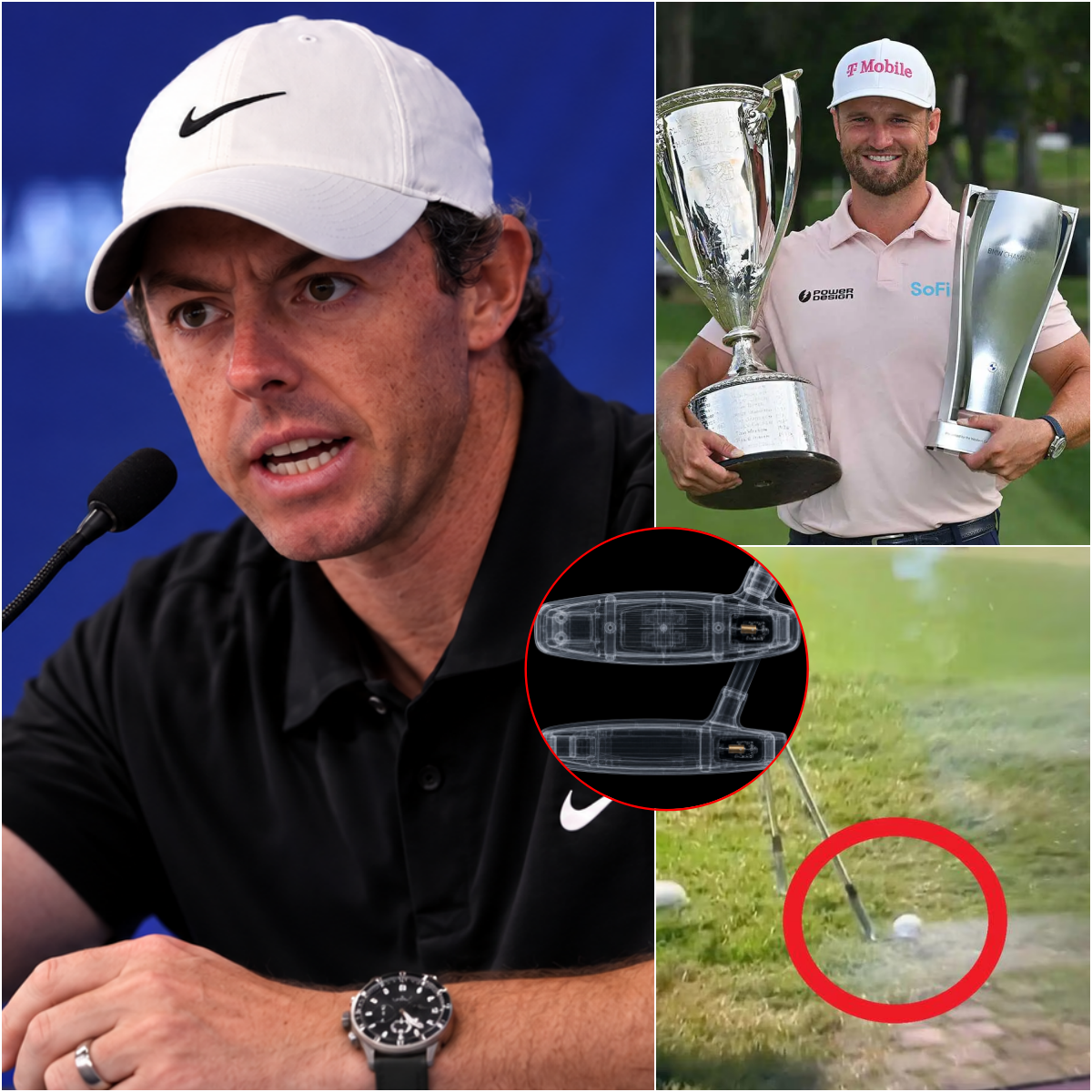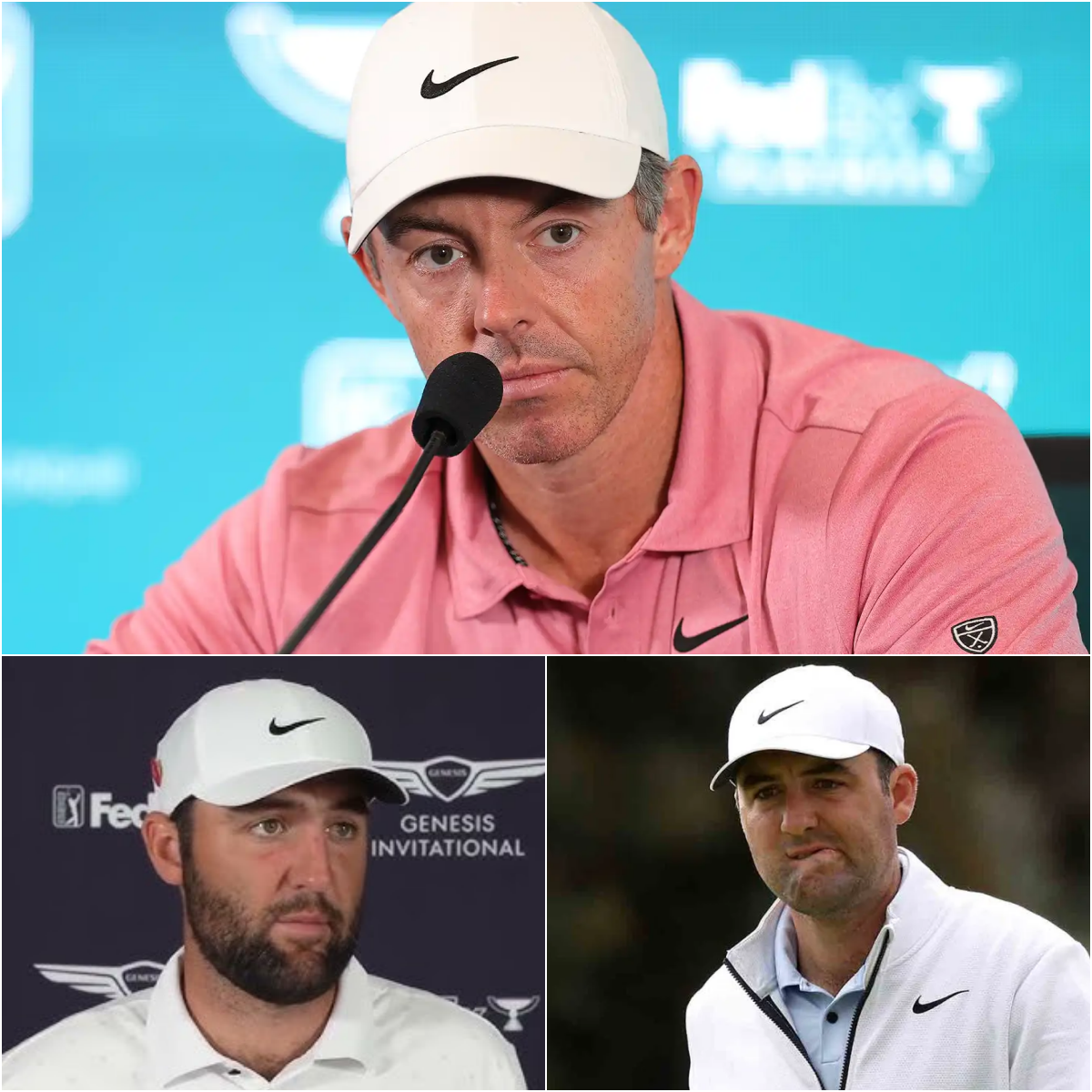
Rory McIlroy sent shockwaves through the BMW Championship during the second round after reportedly delivering a surprise five-word warning aimed directly at Scottie Scheffler. The moment immediately sparked speculation, especially as their rivalry continued to dominate attention around the tournament.
The warning was simple, sharp, and impossible to ignore: “You know what is coming.” Those five words quickly became the center of conversation as McIlroy produced the kind of golf that suggested he was ready to challenge Scheffler at every turn.
For much of the season, Scheffler has appeared almost impossible to shake. His consistency, composure, and ability to recover from difficult situations have made him the player everyone else is chasing whenever the biggest tournaments arrive on the calendar.
But McIlroy has never been interested in simply accepting that role. The Northern Irishman knows exactly what it takes to compete against the world's best, and his second-round performance appeared to send a powerful message to everyone watching.
Instead of trying to match Scheffler shot for shot, McIlroy did something potentially far more dangerous. He played aggressively, trusted his instincts, and created the type of momentum that can completely change the atmosphere of a championship within minutes.
That may be exactly what makes McIlroy such a dangerous opponent. Scheffler thrives when tournaments become tests of patience, but McIlroy has the rare ability to turn a quiet leaderboard battle into something explosive when his game begins firing.
Every successful drive seemed to increase his confidence. Every birdie opportunity created more pressure. And while Scheffler remained focused on his own challenge, it became increasingly difficult to ignore the growing presence of McIlroy near the top.
The BMW Championship has delivered dramatic moments before, but this particular confrontation carried additional weight because of what both players represent. Scheffler is the dominant force of the moment, while McIlroy remains determined to prove his best golf is not behind him.
Their contrasting styles have made every meeting fascinating. Scheffler often looks calm regardless of the circumstances, while McIlroy can feed off emotion, energy, and momentum in a way that transforms an ordinary stretch of holes into something unforgettable.
That difference appeared especially significant during the second round. McIlroy was not merely collecting strokes; he was building belief. And in elite golf, belief can sometimes become the most dangerous weapon when pressure begins increasing over a weekend.
The alleged five-word message therefore felt larger than simple trash talk. Whether delivered directly, indirectly, or interpreted through his performance, McIlroy appeared determined to remind Scheffler that this championship would not simply be another comfortable march toward victory.

Scheffler, of course, is unlikely to be intimidated easily. He has repeatedly demonstrated an extraordinary ability to block out distractions and focus on the next shot, regardless of crowds, leaderboards, expectations, or the reputation of whoever happens to be chasing him.
Yet McIlroy's surge created a different kind of problem. The danger was no longer simply avoiding mistakes. Now Scheffler had to consider the possibility that one of golf's most naturally explosive talents was beginning to find another gear.
That is precisely what fans wanted to see. A tournament becomes far more compelling when two elite players refuse to surrender control, and the BMW Championship suddenly appeared to have the ingredients for an unforgettable showdown heading toward its decisive stages.
McIlroy's message was clear through both words and action: he was still there, still dangerous, and still capable of producing brilliance when the pressure was highest. Scheffler may be the player everyone fears, but McIlroy was refusing to blink.
As the round continued, every movement on the leaderboard became increasingly important. Fans watched for reactions, searched for signs of tension, and wondered whether Scheffler would answer immediately or allow McIlroy's momentum to continue growing unchecked throughout the championship.
The most intriguing question was whether McIlroy had discovered something that could genuinely unsettle his rival. Not necessarily fear in the traditional sense, but the uncomfortable knowledge that a relentless challenger was capable of matching extraordinary golf with extraordinary golf.
That possibility can change everything. Golfers may compete against the course, but they also respond to the scoreboard. When another world-class player starts making birdies, patience becomes harder, decisions become more complicated, and even tiny mistakes suddenly feel much larger.

McIlroy appeared to understand that perfectly. His approach was not about waiting for Scheffler to collapse. It was about forcing him to remain exceptional, hole after hole, knowing that anything less could allow the championship to slip away.
For Scheffler, the response would reveal plenty. Champions are often defined not when everything is comfortable, but when someone finally creates genuine pressure. McIlroy seemed determined to become exactly that source of pressure as the tournament intensified.
And that is why those five words created such fascination. “You know what is coming.” If McIlroy continues producing golf of this quality, Scheffler may indeed know exactly what is coming—but stopping it could become an entirely different challenge.
With the BMW Championship moving deeper into its most important rounds, the battle between McIlroy and Scheffler promised even more drama. One warning had already been delivered. The only remaining question was who would ultimately have the final word.



:max_bytes(150000):strip_icc():focal(994x0:996x2)/dolly-parton-portraits-PEOPLE-4-87f98cdf39964f4dbd06efcdd933369a.jpg)